
Queen Victoria's "Sort Of" Illegitimate Cousins....?
The interesting case of the d'Este siblings...

Most people who are familiar with Queen Victoria, have at least heard that she was brought into this world because of the famous “race for an heir” after the death of her first cousin Princess Charlotte. Princess Charlotte was second in line to the throne at the time of her death, and she died giving birth to a son who also died. And while Charlotte had MANY aunts and uncles who could have taken over the throne (and some did) after her father’s death, they were all a generation older than her leaving the royal family without an heir to take them into the future. And so, the “race for an heir” began in 1818 and George III’s children started to marry eligible suitors in their childbearing years. His Son Edward, Duke of Kent and Strathern married Princess Victoria of Saxe-Coburg-Saafield and this is how the life of Queen Victoria, arguably one of the most influential queens of all time, began.
While many of George III’s children either did not marry, or had relationships and children with people who they were not married to, there was one royal prince who did in fact have a wife..but his children with that wife were still considered illegitimate and thus, unable to inherit the crown. Had they been able to be considered legitimate, the “race for an heir” probably would have never happened because they were much older than Queen Victoria. This means that upon the death of Princess Charlotte and her son, there would have been two other Royals in that generation who could have been in line behind Princess Charlotte. So, who were these “sort of” legitimate cousins of Queen Victorias? And why were they not so legitimate in the first place?
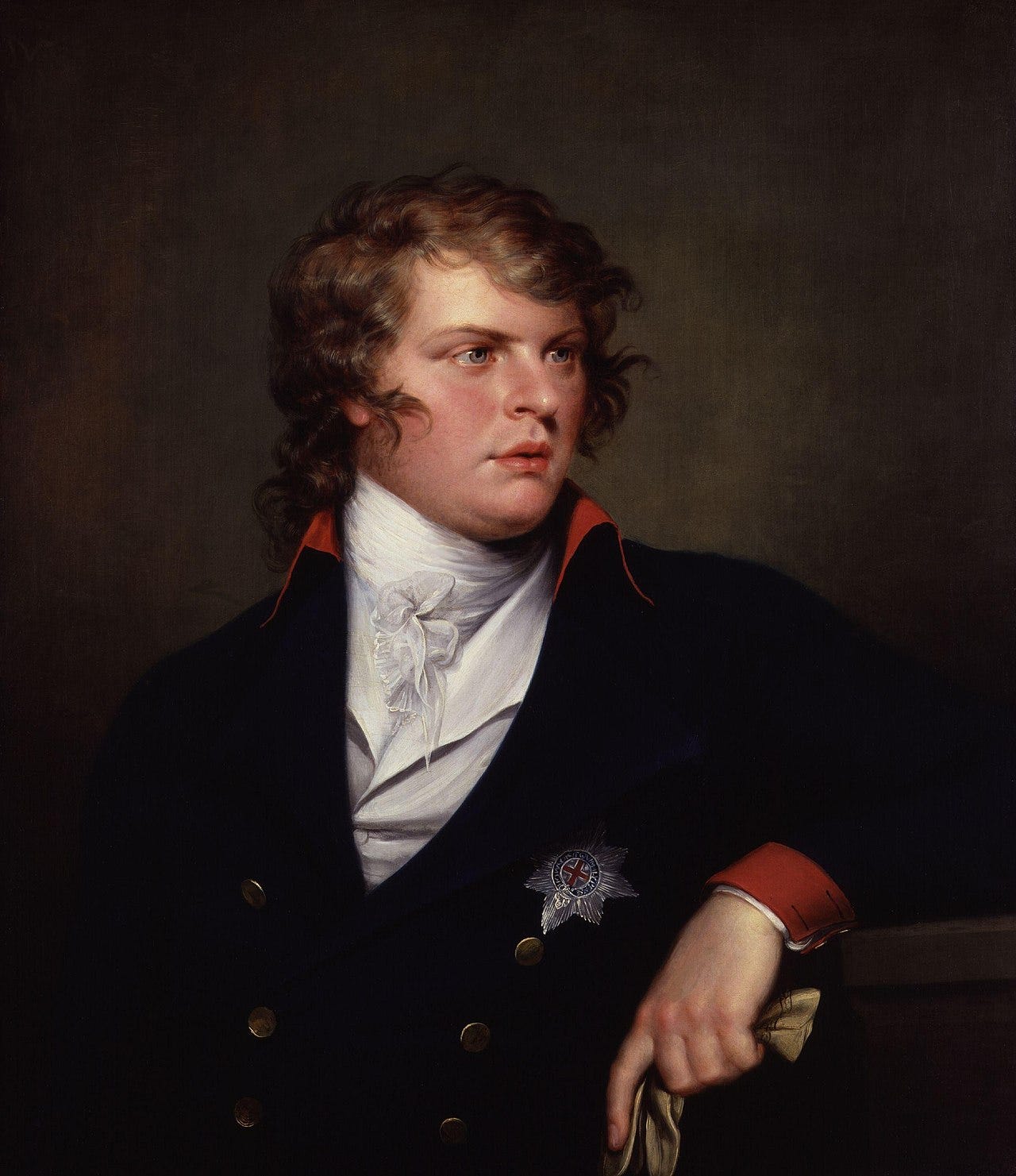
Prince Augustus Frederick, later known as the Duke of Sussex (if you have watched the Masterpiece show “Victoria” you will be familiar with her “Uncle Sussex”) was the ninth child of George III and Queen Charlotte. In 1793, he met and married Lady Augusta Murray who was the daughter of the Earl of Dunmore. They first married in Rome, where they met, and then again in Westminster, London. Upon first glance, this situation seems completely above board. A British Prince who was very far down the line of succession decided to marry the daughter of a British Earl…what could possible be wrong with that? Well, unfortunately for them, in 1772, the royal marriages act was passed which meant that members of the royal family needed the permission of the sovereign to marry. Interestingly, George III was the monarch who saw the law come into effect and several of his children were the ones who ignored the law.
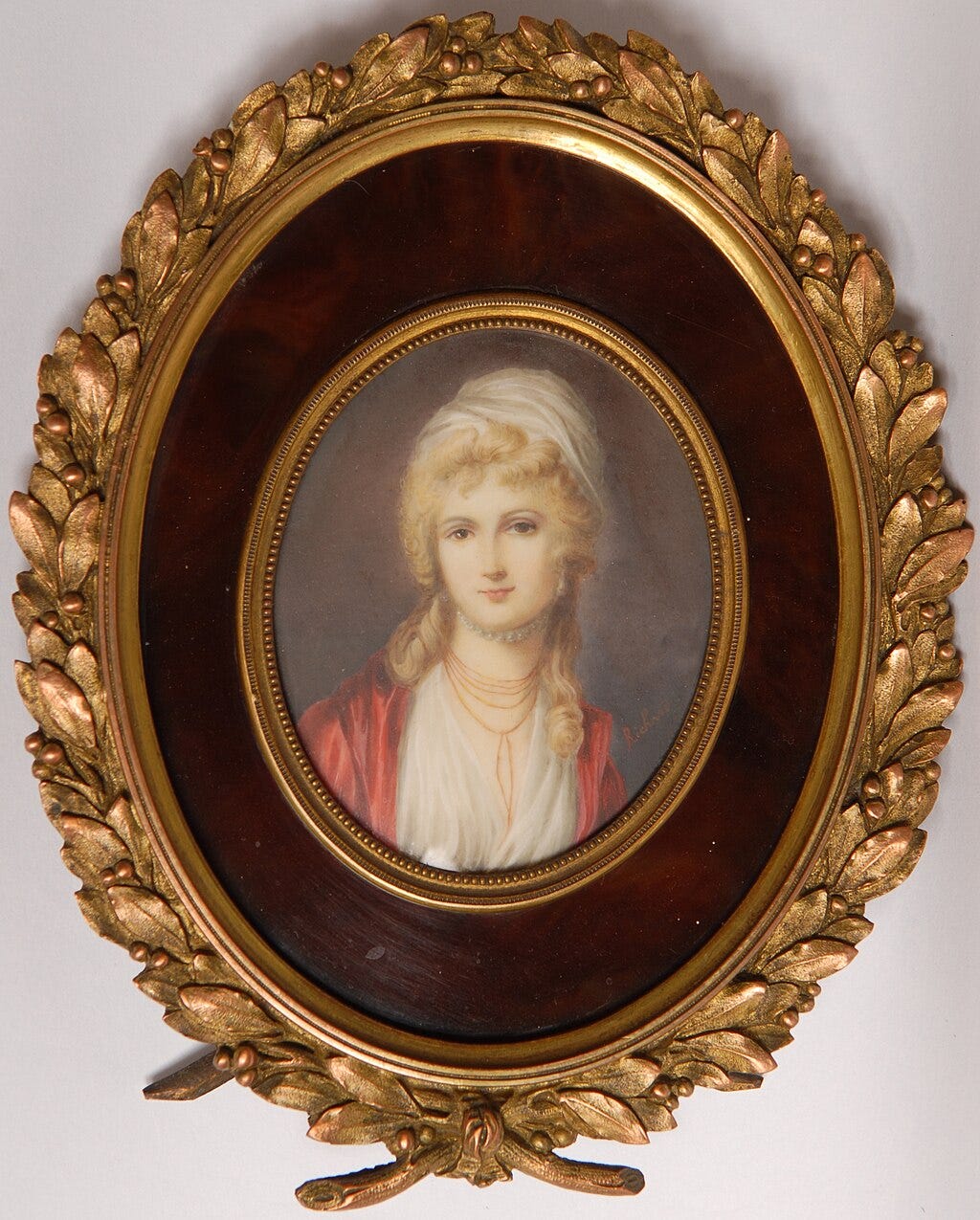
And so, because Prince Augustus and Lady Augusta married without the permission of the King, their otherwise completely lawful marriage was null and void and their two children were considered illegitimate. While they were forced to annul the marriage in 1794, they did continue to live together as a family until 1801 which gives us the impression that they were indeed a committed couple. From their marriage, they had a son, Sir Augustus d’Este (born in 1794) and a daughter, Augusta Emma d’Este (born in 1801) (she would later become Baroness Truro after her marriage). The children originally did use the surname Hannover, but their parents decided to change it to d’Este because they were both descended from that royal house. This choice of name is interesting because it is not a typical surname given to illegitimate royal children (normally a name that starts with “Fitz” is given). This may hint at the fact that their parents considered themselves to be married and their family to be a legitimate one.
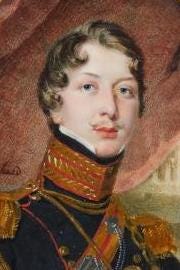
Although considered illegitimate, their children were very much a part of society in their day. Sir Augustus was a member of the Royal Guelphic Order which was a Hanoverian noble order instituted by his Uncle, the Prince Regent (later George IV) and he was educated at Harrow School. He followed in the charitable traditions that many of his cousins actually shared and was a great supporter of the rights of Native Americans. Perhaps most significantly though, he was the first person in recorded history where a definite case of Multiple Scleroses was able to be diagnosed. He was very vigilant about recording the episodes and progression of his disease in a diary that was discovered over a hundred years after he wrote it. Accounts from his diary detail episodes starting with his eyes following the funeral of a friend. They continue to detail the progression of his disease for over 20 years where he details treatments, his eventual diagnosis of “parapelegia”, changes in his doctors, and the spread of the disease to other parts of his body. In his last entry in this diary he talks about being able to walk (without his left foot) in a pair of moccasins he was given. He calls this a decided improvement and gives this thinks to The Almighty for the improvement. Sadly, he passed away in 1848, just two years after this last entry, at the age of 54.
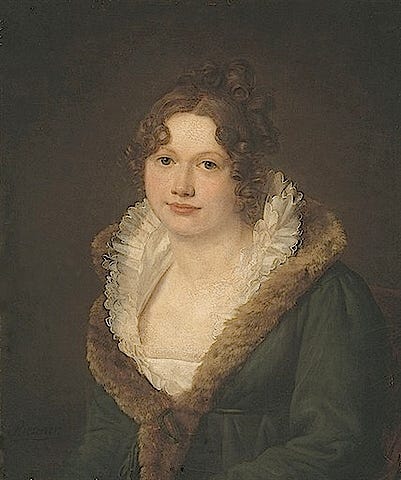
Sir Augustus’s sister, Augusta later Lady Truro was the second wife of Thomas Wilde 1st Baron Truro. She owned valuable property and at the time of her death, had a considerable estate valued at 70,000 pounds. Again following in her family traditions, she left most of the estate to charity as she had no children. She often spent time on the continent because she suffered from asthma. After her sudden death in 1866, she was remembered in The Thanet Advertiser as “a lady of strict business habits, and rather reserved in manner, of exceedingly good general information, living, while at Ramsgate, in a very quiet and unostentatious way.”
From studying their lives, and their parents situation, it is very reasonable to assume that these two children were born to two people who were very fond of one another, they were loved by their parents and were certainly respected by society, and they both really made something of their lives. It is so interesting to look at this sub family within the royal family and wonder, if George III could have looked back and seen how much trouble the “race for an heir” would cause, would he have changed his mind? Especially when he had a son who was married to a perfectly respectable woman who bore him respectable children? It is definitely interesting to ponder, and as always hind sight is 20/20…
What do you think? Should they have been considered legitimate?
I want to welcome all new readers to MBH, and give a heartfelt thanks to all of my readers/subscribers, old and new. Your support of Mostly British History means so much, and it is incredibly exciting to know that others care about this part of history as much as I do. All MBH content is free, but if you feel inclined to support my research, please consider a paid subscription. Thank you so much for being a part of the MBH Community!
Until Next Time!
McKenzie
*One other small note…while the Royal Marriages Act is no longer in effect. There is an updated version that is used today called the Succession to the Crown Act, which states that the first six people in line to the throne must get the permission of the Sovereign to marry…and if you think I’m kidding, Prince Harry wrote about the very situation where he asked his grandmother for permission to propose to his wife, Meghan, Duchess of Sussex, in his memoir. So, as only the British monarchy seems to be able to do so effortlessly, they have been able to adapt to modern day while still keeping their traditions alive…