
Dukes, Earls and More: Aristocratic Titles Explained!

Many of you reading this are probably familiar with characters, real and fictional, that carry noble titles such as Duke and Duchess, Earl and Countess, etc. And while the words are familiar, the titles, styles and the meanings behind them may not be. So think of your favorite Lords and Ladies, and buckle up as we dive into the meaning behind FOUR aristocratic titles and what they represent.
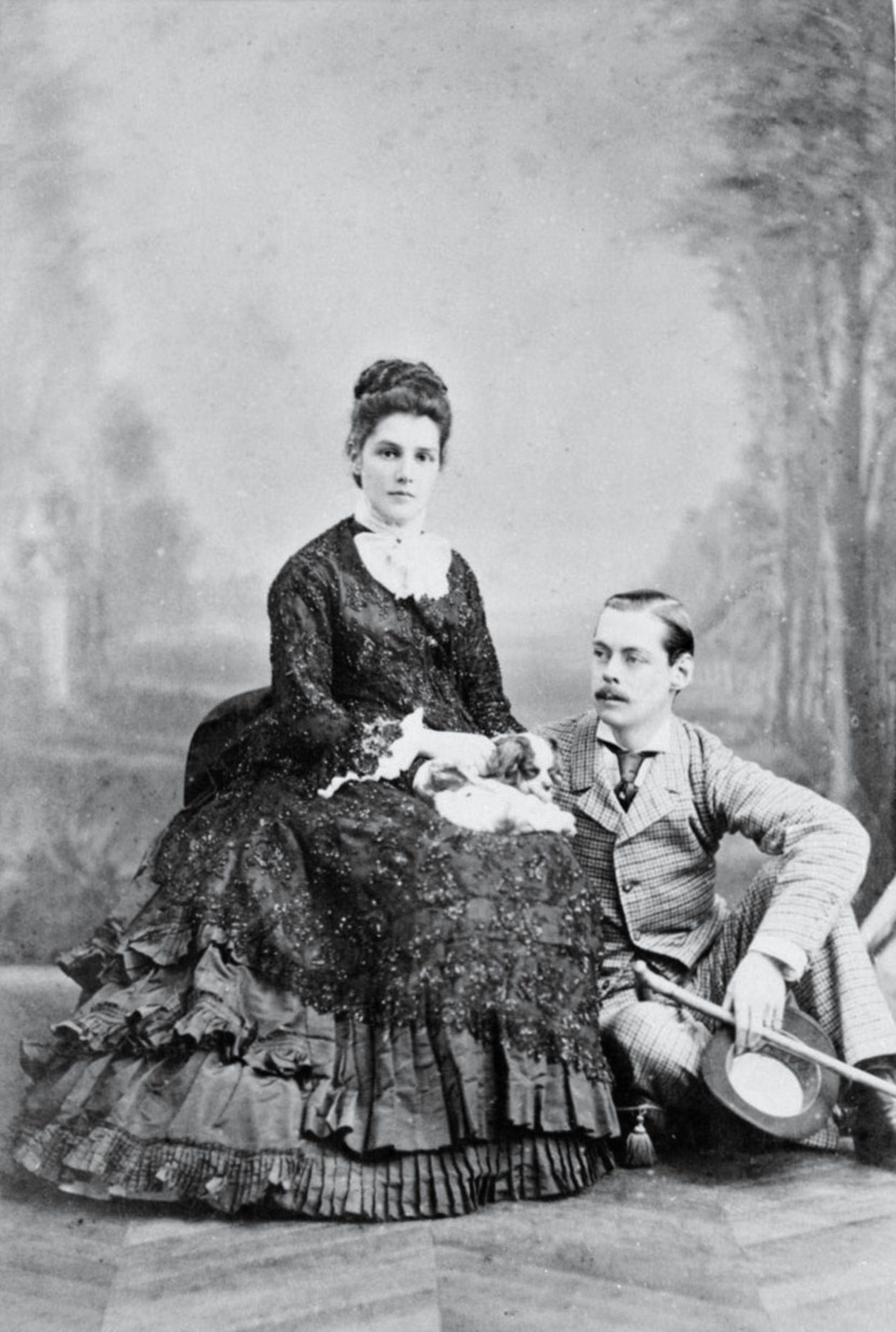
Duke/Duchess: A Duke is a pretty universal term from country to country (called a Herzog in Germany). Dukes and duchesses are the highest ranking aristocrats and have historically been the nobles with the most power. The original meaning of Dux in Latin, means “field marshal”, and throughout history, most non-royal dukes became dukes for their military achievements. Another derivative is the French Duc, which means a landholder. This is still true today. Landed dukes often have vast estates, whereas, Royal dukes do not, they are simply given the honorary title. The wife of a duke is a duchess, and they are generally styled His/Her Grace. Children of dukes are called Lord or Lady, and the oldest son, or heir apparent often goes by a subsidiary title of his father, the duke. For instance, Winston Churchill’s Grandfather was the Duke of Marlborough. Winston’s uncle was the heir apparent and went by the title Marquess of Blanford while his father was the Duke (even though that title belongs to the Duke). Winston's Father was known as Lord Randolph Churchill because he was a younger son of the Duke. He was still entitled to be called Lord, but did not have any other hereditary title because he was not the heir. The same goes for daughters of a Duke. They are called “Lady” rather than Ms. If they marry someone with a title, they take on the title of their spouse. If not, they remain a “Lady” but take the name of their spouse if they so choose.
Marquess/Marchioness: A Marquess is regarded as the second most “weighty” title for the nobility. This title originated for those military officers who led marches and oversaw the borderlands. Although marquesses are not nearly as common in England today, the title is much more common in other European countries. The english spelling of “Marquess” is translated to “Marquis” in French, “Markgraf” in German, “Marquez” in Portugese, “Marchese” in Italian and Marqués in Spanish. All referring to the same noble position. (However in Germany, Markgraf’s often ruled their own small states). The spouse of a Marquess is called a Marchioness and they are both addressed as “My Lord/Lady” respectively as are their children. Many Dukes also hold the title of Marquess such as the Duke of Devonshire, who is also the Marquess of Hartington, which is what the heir apparent to the Dukedom often goes by.
Earl/Count/Countess: A title that is much more familiar to us today is an Earl. Earl’s in Britain are the same as a Count in other parts of Europe (or a Graf in German), and these members of the nobility rank below a marquess but above a viscount. The term “Earl” comes from the the old english word “eorl” and the Old Norse word “jarl” (pronounced “yarl”) which mean “a man of noble rank” and “chieftain” respectively. The term “count” has been used for hundreds of years and relates to the word county; making the Count the principal figure in the County. William I of England simply kept their old norse translation of the term, and that is why there is a different term for the same position in England’s system of nobility. The wife of an earl is still called a countess because there was no female term on “Old Norse” so they just adopted countess from the rest of Europe. Much like a marquess, Earl’s/Counts and Countesses are addressed as “My Lord/Lady” along with their daughters and oldest sons. Younger sons of Earls are referred to as “The Honorable (name).” While there are many Earls and Counts today, there are also many higher ranking nobles who also have Earldoms but either don’t use that title, or their heir uses it.
NOTE: The German term Graf relates to the old english “reeve” which is an important appointed official. The were often called “shire reeves” which is where our term Sheriff comes from.
Viscount/Viscountess: Viscount is the noble ranking that falls under an Earl or a Count, and this term refers to “vice-count” or the deputy of a count. Viscounts are the most common in England, followed by France (called a Vicomte). The wife of a viscount is a viscountess and they are referred to as “My Lord/Lady” and their children are referred to as “The Honorable (name).” Just as other nobles, viscounts through history have been extremely wealthy, and owned vast sums of land, sometimes even more than their higher ranking peers.
One of the things that keeps people interested in these ancient systems of nobility are the time honored traditions that are still upheld even today. A title for a 21st Century aristocrat may not carry the ruling power it once did, but it certainly does represent many social traditions that have been taking place for easily a thousand years. While this is just the tip of the iceberg when it comes to hereditary titles, these titles and styles discussed today are the four most common for those that are non-royal aristocrats. Below, I have included some of the people featured on A Living History that held non-royal titles at some point in their life!
Historical Figures Featured on the Blog who have held Non-Royal Titles
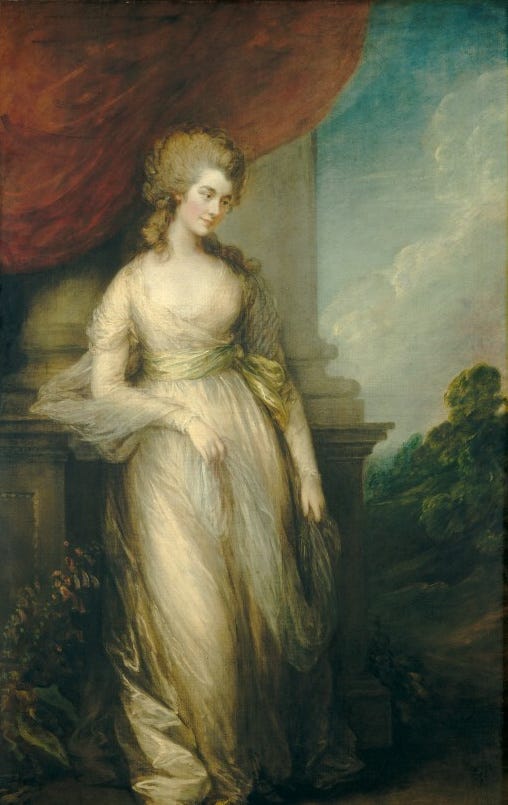
Georgiana, Duchess of Devonshire- born Lady Georgiana Spencer (Daughter of an Earl)
Lady Randolph Churchill- Born Jennie Jerome (married Lord Randolph Churchill, son of a Duke, but was not their heir.)
Diana, Princess of Wales- Born Lady Diana Spencer (Daughter of an Earl)
Her Majesty, Queen Elizabeth the Queen Mother- formerly Lady Elizabeth Bowes Lion (Daughter of an Earl)
Until Next Time,
McKenzie
Oh amazing! Thank you for sharing it! Perfect addition.
Fascinating, Mackenzie! I hadn’t made that connection before between Graf & sheriff…